Best Paras eSIM Plans for Travelers in Brazil in 2026
10/7/2026
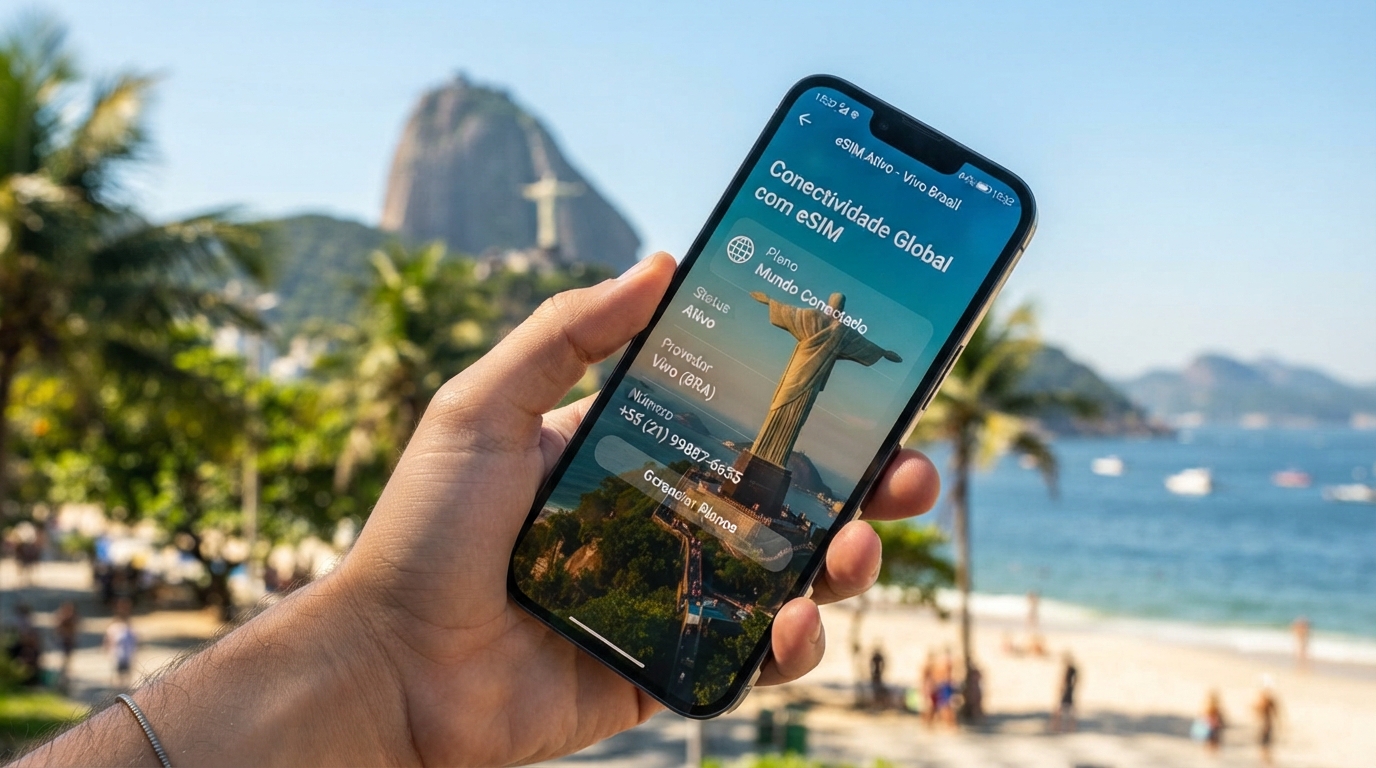
What Is Paras eSIM and How It Works for Travelers in Brazil
If you’ve recently heard the term paras eSIM and wondered what it means, you’re not alone. Paras eSIM refers to a type of embedded SIM technology that allows you to activate mobile data plans without swapping physical SIM cards.
This is especially useful for travelers in Brazil who want to stay connected seamlessly without roaming fees or complicated SIM card changes.
An eSIM is a small chip embedded inside your device that can download multiple operator profiles remotely. Unlike a traditional SIM card, which you physically insert and remove, an eSIM lets you switch carriers or plans digitally.
This flexibility is a game-changer for anyone traveling across Brazil’s vast regions—from Rio de Janeiro’s urban buzz to the Amazon’s remote wilderness.
I always start by checking if my phone supports eSIM technology before considering any plan. Devices compatible with eSIM include recent models like the iPhone XS and later, Google Pixel 3 and newer, and many Samsung Galaxy S20 series or later.
Without a compatible device, paras eSIM won’t work.
Advantages of Using Paras eSIM for Your Brazil Trip
Using a paras eSIM offers several concrete benefits over traditional SIM cards:
- Instant Activation: You can activate your data plan immediately by scanning a QR code, without waiting for physical delivery.
- Multiple Profiles on One Device: You can store several operator profiles on one device but use only one at a time, which is ideal if you travel frequently.
- No Physical Card Handling: This reduces the risk of losing or damaging your SIM card during travel.
- Better Security: According to the GSMA specification SGP.22, eSIMs have enhanced security features that protect your profile from unauthorized access or cloning.
- Cost Savings: Avoid roaming fees by switching to local Brazilian operators like Claro, Vivo, or TIM via an eSIM plan.
A common mistake I see is trying to activate an eSIM without verifying network compatibility in Brazil. Not all plans offer full coverage across the country’s diverse regions.
For example, Claro has strong coverage in urban centers but may be patchy in remote areas where TIM or Vivo might perform better. Understanding this mechanism helps avoid connectivity blackouts during your trip.
How to Activate a Paras eSIM in Brazil
Activating a paras eSIM involves a few straightforward steps but requires attention to detail:
- Check Device Compatibility: Ensure your smartphone supports eSIM technology. This is crucial because older devices cannot use paras eSIM.
- Choose Your Provider and Plan: Use trusted sources like MyBestSim to compare offers from providers such as Roamic, LinkeSIM, and eSIM.dog. These providers offer plans ranging from 1 day to 31 days with data volumes typically around 3 GB.
- Purchase and Receive QR Code: After buying your plan online, you’ll receive a QR code via email or app.
- Scan QR Code on Your Device: Go to your phone’s cellular settings and scan the QR code to download the profile.
- Activate and Test Connection: Once installed, select the new profile as active and test your internet connection.
A trap I warn against is overloading your device with multiple active profiles simultaneously; this can cause conflicts where your phone struggles to switch networks properly. The sign that activation worked is stable 4G or 5G connectivity without error messages about SIM status.
The Cost of Paras eSIM Plans in Brazil
Prices vary depending on duration and data volume but are generally affordable compared to roaming fees charged by foreign operators. Here are some real examples from top providers listed on MyBestSim:
| Provider | Duration | Data | Price (USD) | Promo Code | Discount |
|---|---|---|---|---|---|
| Roamic | 14 days | 3 GB | $5.99 | MYBESTSIM | 10% off |
| LinkeSIM | 31 days | 3 GB | $6.60 | MYBESTSIM | 5% off |
| eSIM.dog | 1 day | 3 GB | $2.99 | — | — |
| JamboSim | 30 days | 3 GB | $5.99 | — | — |
Prices reflect prepaid plans ideal for travelers who want short-term connectivity without long contracts.
The Difference Between Paras eSIM and Physical SIM Cards
Understanding how paras eSIM differs from traditional SIM cards clarifies why it’s gaining popularity:
- Form Factor: A physical SIM is a removable plastic card; an eSIM is an embedded chip inside your device.
- Provisioning Method: Physical SIMs require manual insertion; paras eSIM profiles are downloaded over the air using GSMA specification SGP.22 for remote provisioning.
- Switching Networks: With physical SIMs, switching means physically changing cards; with paras eSIM, switching happens digitally via settings.
- Durability: Physical SIMs can be lost or damaged; paras eSIMs are protected inside the device housing.
- Security: Paras eSIMs support stronger encryption protocols that reduce risks of cloning or interception.
One field observation I’d share: when traveling in Brazil’s humid Amazon region, physical SIM cards often suffer from corrosion due to moisture exposure, leading to connection failures. Paras eSIM avoids this by being sealed inside the device.
Compatible Devices With Paras eSIM Technology
Not all phones support paras eSIM yet. Here’s a quick list of devices commonly compatible:
- Apple iPhone XS, XR, 11 series, 12 series, 13 series, and newer
- Google Pixel 3 and later models
- Samsung Galaxy S20 series and newer
- Microsoft Surface Duo
- Some recent Huawei models
If you’re unsure about compatibility, check your phone manufacturer’s official specifications or visit guides like how to get an eSIM in Brazil for detailed instructions.
The Future of Paras eSIM Technology in Brazil
The adoption of paras eSIM technology is accelerating globally and in Brazil due to its convenience and cost-effectiveness for travelers and locals alike. Operators like Claro, Vivo, and TIM are increasingly supporting remote provisioning standards compliant with GSMA SGP.22.
A key mechanism driving this growth is the ability for users to switch between multiple operators without visiting physical stores or waiting for delivery—this flexibility meets the demands of modern travelers who value instant connectivity.
However, I’d advise against relying solely on paras eSIM if you plan extended stays in very remote Brazilian regions where network infrastructure remains limited. In such cases, combining an eSIM with a physical SIM backup can ensure uninterrupted service.
Brazil’s regulatory environment also supports this trend: Anatel (the Brazilian National Telecommunications Agency) has updated guidelines facilitating the use of embedded SIMs while ensuring user privacy and security.
For those curious about activation nuances or looking for practical tips on staying connected during their Brazilian adventure, my article on Brazil eSIM activation offers detailed insights drawn from real-world conditions.
This overview should help clarify what paras eSIM means for travelers planning trips to Brazil—offering flexibility, security features aligned with GSMA standards, cost-effective plans from providers ranked by MyBestSim, and practical activation steps tailored for compatible devices.
FAQ
What exactly is paras eSIM technology?
Paras eSIM is an embedded SIM technology that lets you activate mobile data plans digitally without swapping physical SIM cards. It enables travelers in Brazil to switch carriers remotely and avoid roaming fees, providing seamless connectivity across different regions.
How do I activate a paras eSIM in Brazil?
To activate a paras eSIM, first ensure your device supports eSIM. Then purchase a plan from providers like Roamic or LinkeSIM, receive a QR code, scan it in your phone’s cellular settings, and select the profile to start using mobile data.
Which devices are compatible with paras eSIM?
Devices supporting paras eSIM include iPhone XS and newer, Google Pixel 3 and later, Samsung Galaxy S20 series and newer, Microsoft Surface Duo, and some recent Huawei models. Check your phone’s specs to confirm compatibility before purchasing.
What are the main benefits of using paras eSIM for travelers?
Paras eSIM offers instant activation, multiple profiles on one device, better security against cloning, no physical SIM handling, and cost savings by avoiding roaming fees. This makes it ideal for travelers moving across Brazil’s diverse network regions.
Are paras eSIM plans affordable compared to traditional SIM cards?
Yes, paras eSIM plans are generally affordable with prices starting around $2.99 for a day and about $6 for a month with 3 GB data. These prepaid plans are cost-effective alternatives to expensive roaming charges from foreign operators.

Marina Costa
Marina is a travel writer who has crossed Brazil from Rio to the Amazon. At Brazil eSIM she compares Claro, Vivo and TIM data plans and helps visitors stay online without roaming fees.